Sponsored by the Southeast Coalition of Authentic Reenactors,
a Federal 501c3 nonprofit historical education group, founded in 2000

Impression Guidelines

PLEASE NOTE: All participants that have not done a living history event with SCAR will send pictures of their impressions to cwscarfamily@hotmail.com if requested to do so once registering. All clothing and material culture items will be of quality manufacture by quality vendors or living historians. Authenticity standards and quality living history interpretation will be enforced. Those that will not comply will be asked to not attend.
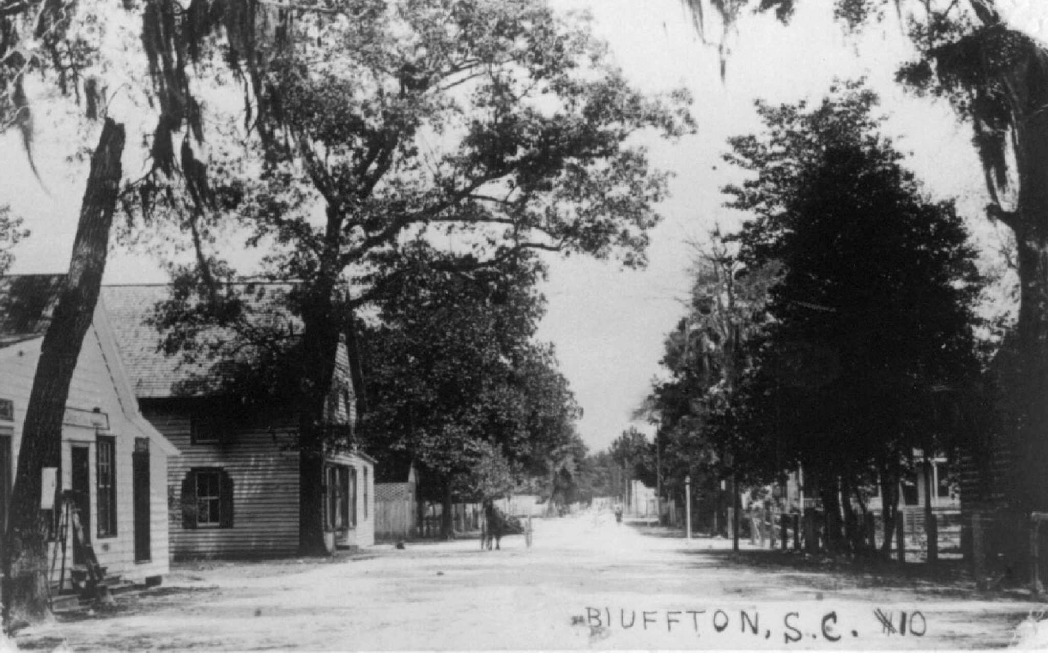
In the coastal South Carolina area in the 1850s clothing standards varied greatly between the civilian rich and working class. Think coastal South. Think of a quaint fishing village for your impression guide. The village of Bluffton in the 1850s was a working-class oyster fishery, agricultural hub, and transportation junction to such wealthy cities as Charleston, Columbia, and Savannah. Businesses in the town reflect common ones that spring up to support a small, but burgeoning population, such as hotels, saloons, docks, churches, personal homes, etc.
Along with the famously-known and powerful planter class, there were working class whites, recent European immigrants with no real defined place in Southern society, enslaved African-Americans, with traces of free black populations, usually of skilled former enslaved people or runaway enslaved that lived on the Sea Islands of the Lowcountry away from the Caucasian populations.


For the civilian rich:
- Headgear: Men might wear top hats or bowler hats, while women might opt for elaborate bonnets adorned with ribbons and flowers.
- Shirt: Men would typically wear crisp, high-collared shirts, often with cravats or ascots tied at the neck. Women would wear delicate blouses with ruffled or lace collars.
- Coats: Men would don tailored frock coats or morning coats, while women might wear elegant, fitted jackets or coats made of luxurious fabrics like silk or velvet.
- Dresses: Women of the upper class would don elaborate, full-skirted dresses with intricate detailing such as ruffles, lace, and embroidery. These dresses would often feature hoop skirts to achieve the fashionable silhouette of the time.
- Vest: Men would commonly wear waistcoats made of fine fabrics like silk or satin, often matched to their coats or trousers.

For the working class:
- Headgear: Men might wear simple caps or wide-brimmed straw hats for protection from the sun. Women might wear plain bonnets made of practical materials like cotton or straw.
- Shirt: Men would wear plain, durable shirts, often with rolled-up sleeves for practicality. Women would wear simple blouses or dresses made of sturdy cotton or linen.
- Coats: Working-class men might wear functional, durable coats such as sack coats or pea coats, while women might wear practical shawls or cloaks for warmth.
- Dresses: Working-class women would wear modest, practical dresses with less embellishment than those of the upper class. These dresses would be more functional for everyday tasks and might be made of cheaper fabrics like cotton.
- Vest: Working-class men might wear plain, utilitarian vests made of wool or cotton, often in neutral colors like brown or gray.

Accessories:
- For the civilian rich, accessories were often elaborate and ornate. Men might wear pocket watches attached to chains, cufflinks, and fine leather gloves. Women would accessorize with jewelry such as brooches, earrings, and necklaces, often adorned with pearls or precious stones.
- Working-class individuals would have simpler accessories, such as pocket knives or small tools for practical use. Women might wear functional aprons or carry baskets for carrying goods.
Footwear:
- The civilian rich would wear polished leather shoes or boots, often with decorative elements like tassels or buckles. Women might wear delicate slippers or heeled boots, sometimes with decorative stitching or embellishments.
- Working-class individuals would wear sturdy leather or canvas shoes or boots suitable for walking and laboring. Women might wear practical boots or shoes with lower heels for comfort and durability.
Overall impression:
- The civilian rich would exude an air of refinement and sophistication, with their tailored clothing, luxurious fabrics, and attention to detail in their accessories.
- The working class would prioritize functionality and practicality in their attire, with clothing designed to withstand the rigors of labor and everyday life. These impressions would be influenced by social class, occupation, and available resources, reflecting the distinct lifestyles and values of each group in 1850s coastal South Carolina.
ANY QUESTIONS, PLEASE SEND AN EMAIL TO CWSCARFAMILY@HOTMAIL.COM FOR MORE INFORMATION.
THANKS!
